If you're reading this online, you're generating data. Each click, scroll, search, and even pause on a page is tracked and monetized, just not by you. Until now, that is.
In a global first, Brazil is pioneering a novel solution: citizens are set to directly monetize their personal data through a government-supported initiative known as "dWallet." This project is meant to let users securely store their data and receive direct compensation from companies looking to access it. As of October 2025, the pilot had not officially launched.
The Data Dividend Concept: Not as New as You Might Think
This idea of "data dividends" (paying users directly for their data) isn't entirely new. Back in 2019, California Governor Gavin Newsom made headlines proposing a similar "data dividend" inspired by Alaska's oil dividend model, intending to return value to consumers from their digital footprints. Though the proposal stalled legislatively, it sparked significant conversation about data ownership and economic fairness.
The initiative followed several technological advancements in data autonomy, most notably the Solid project. Developed by World Wide Web inventor Tim Berners-Lee, Solid aims to decentralize data storage and give users full control over their information through secure "personal online data stores" (PODs). These PODs allow users to choose precisely which entities can access their data, significantly enhancing privacy and data sovereignty. Solid's architecture not only promises greater autonomy but also provides a practical foundation for a user-centric data monetization ecosystem.
A Booming Industry: And a New Paradigm
According to the European Data Market Study, the data monetization market in the EU was worth around €29.5 billion in 2024, 15.3% more than the year before. Such explosive growth signals a paradigm shift: data isn't just the "new oil," it's a crucial financial asset that, like intellectual property or real estate, deserves clear ownership rights and value distribution mechanisms.
Toward a More Equitable Data Economy
Brazil's dWallet pilot is more than a national policy. It signals the beginning of a global shift. As consumers awaken to the true economic value of their digital lives, the question isn't whether this model will expand, but how quickly other nations will follow Brazil's lead.
With the tools, regulations, and market readiness increasingly aligned, personal data dividends may soon become as common and uncontroversial as streaming subscriptions or cash-back credit cards. It's no longer just about protecting data; it's about sharing the wealth it creates.
The future of data ownership is here, and this time, you hold the wallet.
Europe's Opportunity: Infrastructure Meets Regulation
The European Union, known for its stringent data protection laws like GDPR, stands uniquely positioned to lead this shift. The EU Data Act of 2023 has applied since 12 September 2025 and sets rules for fair data access and portability. It doesn't provide for payments to individuals; only businesses can ask each other for compensation for data. What Europe lacks is practical infrastructure to deliver dividends directly to individuals.
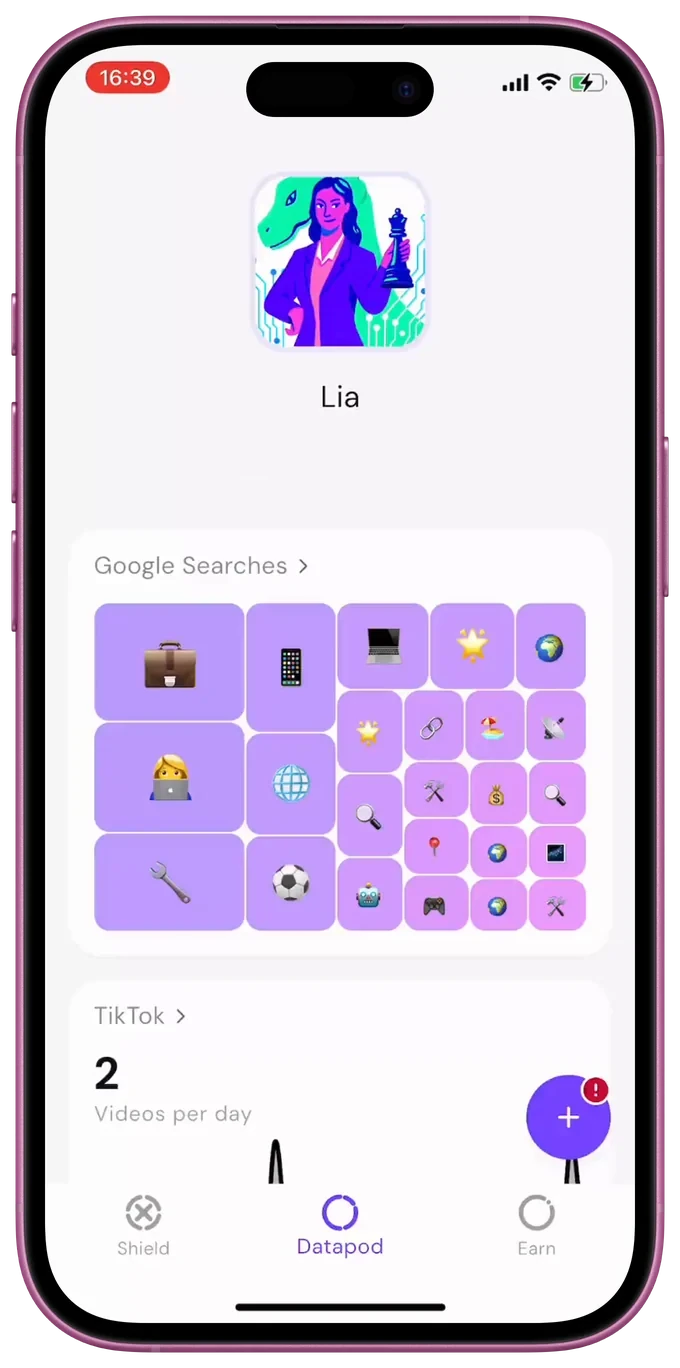
Platforms like Datapods aim precisely to bridge this gap. By allowing users to request and securely store their data (for example from Google, Apple or Amazon), Datapods provides individuals full control and a daily data dividend for letting their data be used for market research. We never pass on raw data; market researchers only receive aggregated results.
In other words, the future Brazil is testing, we're already building.
Common questions
What is a data dividend?
A data dividend is a payment to people for letting companies use their personal data. One model is the oil dividend that Alaska pays its residents every year. The term became well known in 2019, when California Governor Gavin Newsom proposed a data dividend. It was never introduced there.
What is dWallet in Brazil?
dWallet is a digital data wallet from the US company DrumWave. In April 2025, the state-owned IT company Dataprev announced a pilot: people taking out a payroll-deductible loan can share their contract data through the dWallet and get paid for its use. As of October 2025, the pilot had not officially launched.
Will the EU Data Act pay me for my data?
No. The Data Act has applied since 12 September 2025. It gives you the right to access the data from your connected devices free of charge and to have it passed on to other providers. Only businesses can ask each other for compensation.
What is the Solid project?
Solid is a project by Tim Berners-Lee, the inventor of the World Wide Web. Your data sits in a personal online data store, called a Pod, and you decide which apps can read or change it.